
Rental guide · Wollongong & the Illawarra
Do Landlords Pay for Pest Control in NSW? End-of-Lease Rules Explained
Generally: landlords pay for infestations that come with the property; tenants pay where their own actions caused the problem — the classic example being a flea treatment at the end of a lease where pets were kept.
Last updated 5 September 2026 · Premier Pest Control, Wollongong
Fully Licensed
No Mess Left
Local Knowledge
Responsive Support
The general rule: who caused it, who pays
NSW tenancy law expects a rental to be provided reasonably clean and fit to live in, and keeping the premises that way is shared work. In practice, responsibility for pest control usually follows the cause. Problems that come with the property or the building — termites, an established cockroach population in the walls, rodents entering through structural gaps, wasp nests in the eaves — are generally the landlord's to fix, the same way other repairs are. Problems fairly traceable to how the tenant lived — fleas from the tenant's pets being the textbook case — generally fall to the tenant. The lease itself matters too: agreements often contain an express term about pest treatment at the end of a tenancy where pets have been kept, so the first place to look is always your own agreement.
Common situations, sorted
The cause test resolves most of the arguments people actually have:
- Termites, borers, wasp nests, possums in the roof — structural and building matters: generally the landlord
- Cockroaches or rodents present at the start of the tenancy, or entering through building defects: generally the landlord
- Fleas where the tenant kept pets: generally the tenant — and often an express lease obligation at vacate
- Pests attracted by the tenant's housekeeping (accumulated rubbish, unsealed food over time): generally the tenant
- Genuinely unclear or disputed cause: document everything and raise it early — see the disputes note below
Not legal advice — and where real disputes go
This guide is general information from a pest control company, not legal advice, and individual leases and situations differ. If you and your landlord or agent cannot agree on who is responsible, NSW Fair Trading publishes guidance for both sides, and unresolved disputes — including bond disputes — go to the NSW Civil and Administrative Tribunal (NCAT). Photographs, your entry condition report and dated correspondence are what those processes actually weigh, so keep them from the start.
The end-of-lease treatment, step by step
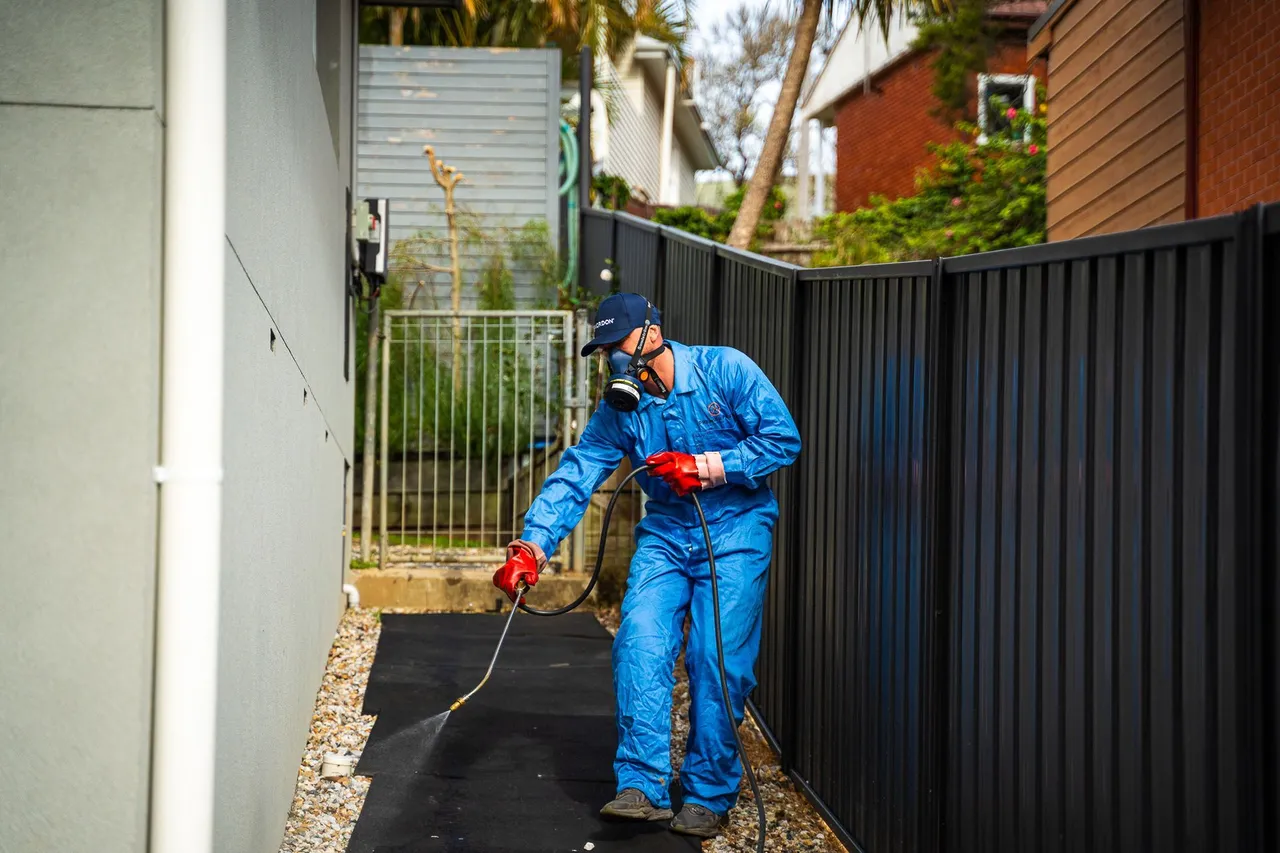
Where pets have been kept, most Illawarra tenancy agreements require a professional pest treatment at the end of the lease, and agents usually want a receipt before the bond is released. Here is how it runs:
- 1
Check your lease and your dates
Confirm what your agreement actually requires — the pet/flea clause is the common one — and lock in your vacate date, because the treatment is best done after your things are out.
- 2
Book the treatment to the vacate date
Tell the technician the address, the vacate date and whether pets were kept. An empty property is straightforward to treat inside and out, and the timing keeps the treatment valid for the final inspection.
- 3
The flea treatment is the part agents check
Fleas settle into carpet, bedding, subfloors and shaded garden beds, so the treatment covers where the life cycle continues rather than only where adults are seen — a single surface spray is what fails final inspections.
- 4
Keep the documentation
The receipt or treatment record is what the agent usually asks for before releasing the bond. Have it sent to the agent directly if that is easier — just say so when booking.
For landlords and property managers
Between tenancies is the cheap, easy window: the property is empty, the treatment covers interior, exterior perimeter, subfloor and roof void without working around furniture, and a documented treatment at handover protects both sides of the next tenancy's who-caused-it question. Landlords, tenants and property managers can all arrange treatment directly — whoever books it, the documentation lands in the file either way.
What our customers say
Rated 4.9 out of 5 by 232 local customers on Google.
Can’t recommend them enough! Great service and the technicians were kind, courteous and answered all our questions. Will definitely use them again in future.
Great pest control service! The team arrived on time, checked every corner of the house (including my NBN box!), and treated the cockroach issue properly. Very friendly, knowledgeable and efficient. I feel so much more at ease now. Thank you!
Great people to deal with and great service. Very happy with them.
Frequently Asked Questions
The questions we actually get asked on this — answered plainly. Call 02 4217 0117 any time if yours isn't here.
Call 02 4217 0117Does a tenant have to pay for pest control at the end of a lease?
Usually only where the lease requires it or the tenant's own circumstances caused the need — the standard example is a professional flea treatment where pets have been kept, which most Illawarra tenancy agreements require. General pest problems that came with the property are normally the landlord's responsibility. Check your own agreement first.
Who pays for cockroach or rodent treatment in a rental?
It generally follows the cause. An infestation present at the start of the tenancy, or pests entering through building defects, is normally the landlord's to fix. A problem fairly traceable to the tenant's own housekeeping can fall to the tenant. Where it is genuinely unclear, document the situation and raise it with the agent early.
Can the agent hold my bond over pest treatment?
Agents usually ask for the treatment receipt where the lease required a treatment — typically the pets/flea case — before recommending the bond's release. If there is a genuine dispute about whether the treatment was required or adequate, bond disputes are decided by NCAT, not by the agent.
Do landlords have to pay for termite damage or treatment?
Termites are a structural, building-level matter, so termite inspection and treatment sit with the owner, not the tenant. A tenant who notices possible termite signs — mud tubes, hollow-sounding timber, sagging floors — should report them to the agent promptly and in writing, the same as any other repair issue.
How close to my vacate date should I book the treatment?
Book as early as you can, for a slot after your furniture is out and before the final inspection. Same-day service is often available when timing gets tight — call 02 4217 0117 with your vacate date and we will work the treatment around it.
Sources
Every claim on this page can be checked against a public authority. These are the ones we used.
Want it dealt with properly?
Licensed, insured pest technicians across Wollongong, the Illawarra, Shellharbour, Kiama, the Southern Highlands and the Macarthur corridor. Tell us what you have seen and we will tell you what it needs.
Free quote · No obligation · Open 24/7
Related: End of lease pest control · Flea & tick treatment · Strata & real estate pest control