
Rodent guide · Wollongong & the Illawarra
How Professionals Get Rid of Rodents (and Why We Seal Entry Points)
Professional rodent control works the whole system: confirming the species, baiting where rodents actually travel, removing harbourage — and closing the entry points, because a baited house with open gaps just restocks.
Last updated 5 September 2026 · Premier Pest Control, Wollongong
Fully Licensed
No Mess Left
Local Knowledge
Responsive Support
Why the trap on the kitchen floor keeps losing
Rats are famously neophobic — wary of new objects in their territory — and even the more curious mice stick to habitual runways along walls, pipes and roof beams, not across open floors. A trap or bait placed where it is convenient for you sits outside the runway and gets ignored, sometimes for weeks, while the population breeds on schedule in the roof void. Mice can also breed astonishingly fast, so removing two individuals from a population producing a litter every few weeks changes nothing. The visible rodent, like the visible cockroach, is the overflow — the infestation lives in the harbourage.
What a professional does differently
The sequence matters more than any single product:
- Identify the species and the scale — rats and mice behave differently, and droppings, gnaw marks and runway grease marks tell the story
- Find the harbourage — roof voids, subfloors and wall cavities are where the population actually lives, especially above bedrooms where the scratching gets noticed
- Bait and trap on the runways — secured placements where rodents already travel, positioned away from children, pets and non-target wildlife
- Find the entry points — the gaps, vents, pipe penetrations and gnawed openings that let the population arrive and restock
- Follow up — rodent work is a process, not a single visit; activity is rechecked and placements adjusted until the signs stop
Why sealing entry points is half the job
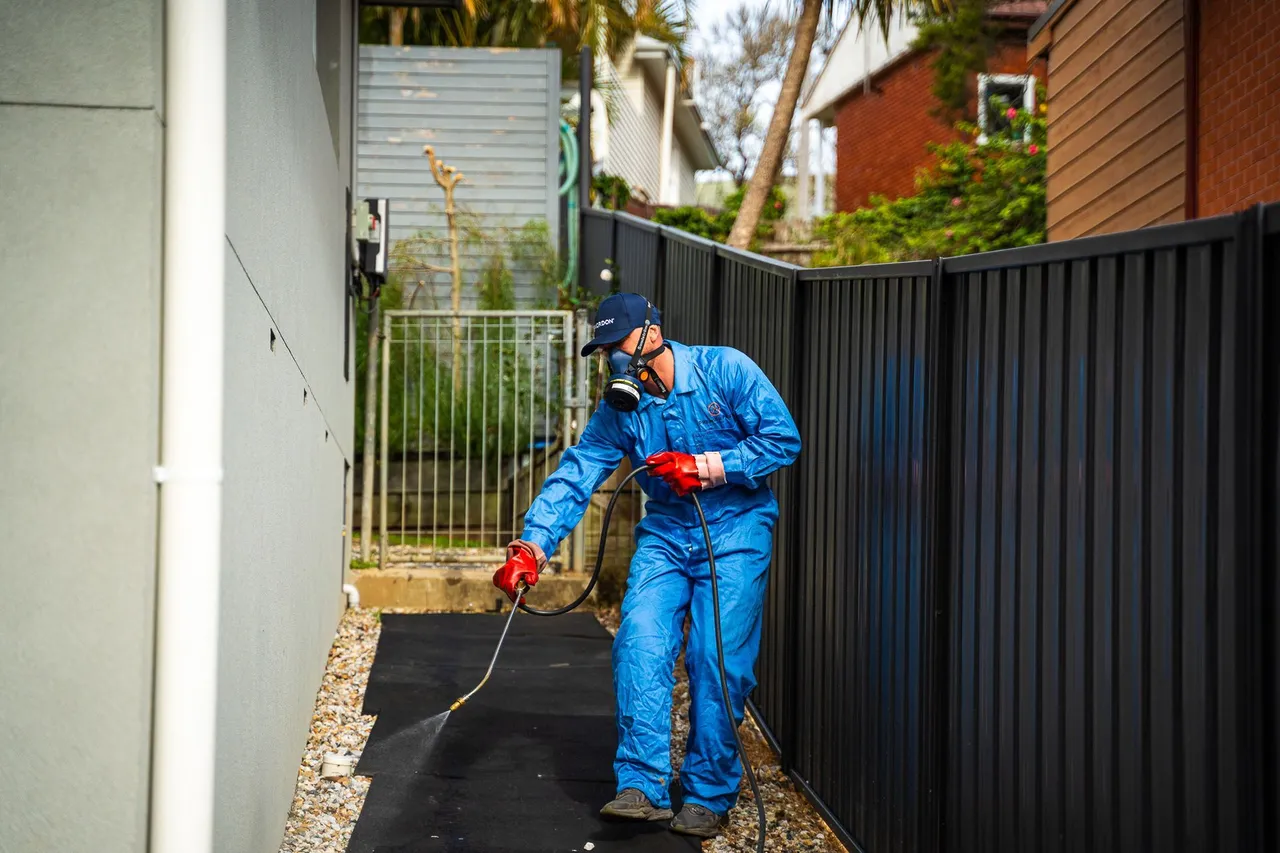
A mouse fits through a gap the width of a pen; a rat through a gap about the width of a thumb. Every unsealed weep hole above a vent gap, every unfinished pipe penetration and every gnawed corner of an eave is a door — and a property that only ever baits, without closing the doors, signs up for a permanent baiting program. That is why we combine baiting with exclusion: our technicians inspect for nesting sites and entry points as part of the job and seal the gaps rodents are using, so they are removed and kept out. It is also why rodents "come back every winter" in some houses: they never stopped being invited; the cold just renews their motivation.
The honest answer on repellents and home remedies
Peppermint oil, ammonia, ultrasonic plugs, camphor — the internet's favourite rodent answers share one quality: they are pleasant to believe and unreliable in practice. A smell may make a rodent briefly cautious, but it does not outweigh warmth, shelter and food, and populations habituate quickly to both odours and ultrasonic devices. Cats are better than their reputation but famously selective. None of this removes an established population living in a roof void, and time spent on it is time the population spends breeding. If there are droppings in the pantry or nightly scratching overhead, the situation is past the deterrent stage.
What you can do before and after treatment
Treatment removes the population; these steps stop the property re-inviting the next one:
- 1
Starve the ground floor
Sealed food containers, pet food up overnight, bins closed, fallen fruit collected. Rodents scout for calories before they commit to a den.
- 2
Cut the highways
Trim branches touching the roofline and clear vegetation from the wall base — rats travel along cover and cross to roofs on overhanging growth.
- 3
Close what can be closed
Weep-hole guards, sealed pipe penetrations, door sweeps, repaired eave gaps. Sealing the gaps rodents use is part of our exclusion work — closing them is what makes the result stick — and we point out anything structural that needs a builder or roofer.
- 4
Report the signs, not just the sightings
Droppings, gnawed packaging, grease marks along skirtings, scratching locations and times — that map tells a technician where the runways and harbourage are before the inspection starts.
What our customers say
Rated 4.9 out of 5 by 232 local customers on Google.
Premier pest control is the best in wollogong and it is highly recomnded if you looking for a best price and best service, highly recomnded
Anyone looking for pest control in wollogong? Premier pest control is the best one and at very reasonable price,they take care of each and every corner and make sure that house and surrondings are sprayed very well. Best in wollogong and highly recomended
Premier pest control is the best perst control service based in wollongong• They have sprayed in each and every corner of the house and in a perfect manner
Frequently Asked Questions
The questions we actually get asked on this — answered plainly. Call 02 4217 0117 any time if yours isn't here.
Call 02 4217 0117What smells do rats actually hate?
Honestly: none reliably enough to matter. Strong smells like peppermint or ammonia can make rodents briefly cautious, but they habituate quickly, and no odour outweighs warmth, shelter and food once a den is established. Repellent smells are not a control method for an active infestation.
I hear scratching in the roof at night — rats or a possum?
Light, fast scratching and scurrying, often in more than one spot, points to rats or mice. Heavy thumps and slow, weighty movement in the hour after dusk is usually a brushtail possum — which is protected wildlife with completely different rules. The two problems need different responses, so identifying which you have is the first step.
Is rodent baiting safe with kids and pets in the house?
Done properly, yes. We use safe, effective baiting in secured placements positioned where rodents travel and children and pets cannot reach, and we explain exactly where everything is and what to keep clear. Loose supermarket bait thrown into a roof void is a different story — placement discipline is most of the safety.
How long does it take to get rid of rats or mice?
It depends on the size of the population and how long it has been established, which is why rodent work is a process with follow-up rather than a single visit. Activity typically drops within days of correct placement, and the job is finished when the signs — fresh droppings, sounds, gnawing — stop, not when the first rodent is caught.
Why do rodents come back every winter?
Because the entry points were never closed. Cooler months push rats and mice indoors for warmth — across Macarthur's newer estates it happens as surrounding paddocks are developed, and in older Illawarra homes through accumulated gaps. Baiting removes each winter's arrivals; sealing the entry points is what breaks the annual cycle.
Sources
Every claim on this page can be checked against a public authority. These are the ones we used.
Want it dealt with properly?
Licensed, insured pest technicians across Wollongong, the Illawarra, Shellharbour, Kiama, the Southern Highlands and the Macarthur corridor. Tell us what you have seen and we will tell you what it needs.
Free quote · No obligation · Open 24/7
Related: Rodent control · Emergency & same-day pest control · Home pest protection plans